Maintaining Pool Water Quality
Articles & Insights
Maintaining proper water quality is a critical task for pool management. A water analysis is used to serve three vital purposes
- Protect the Swimmer (PS)
- Protect the Pool (PP)
- Avoid Unnecessary Chemical Costs (CC)
Pool Water Test Ranges
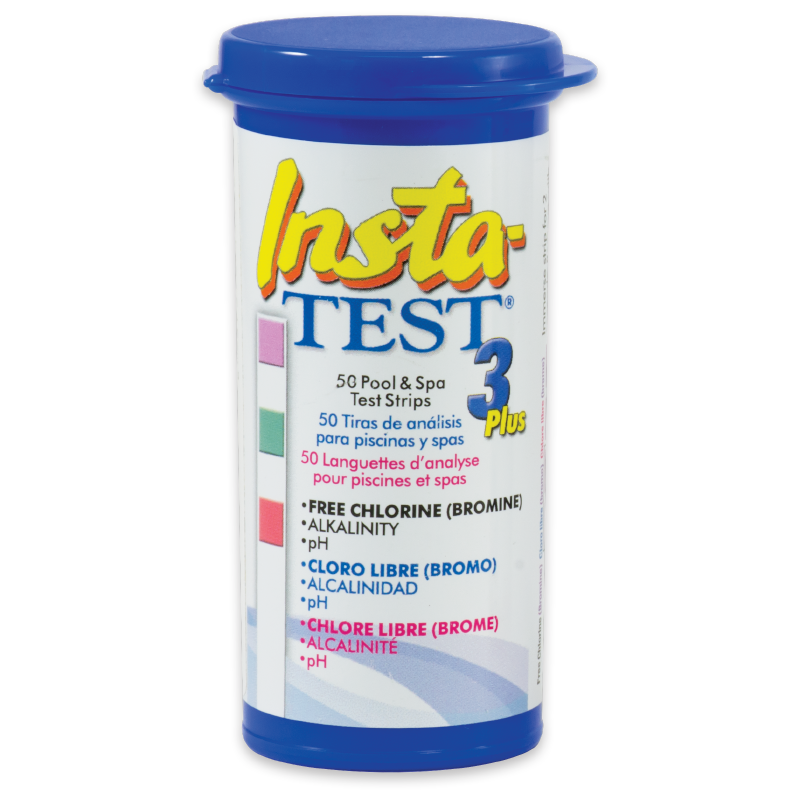
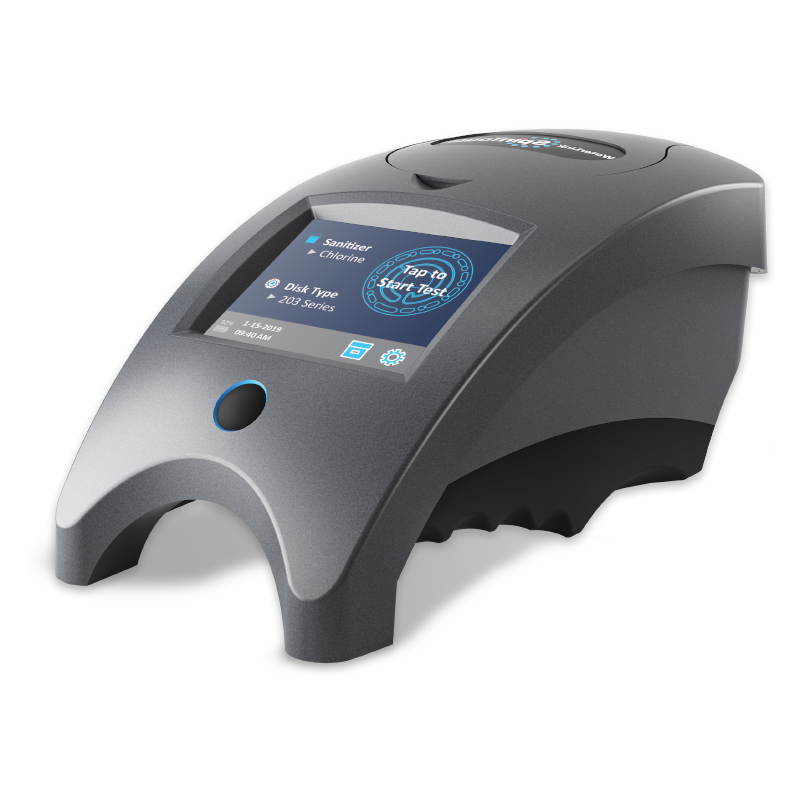
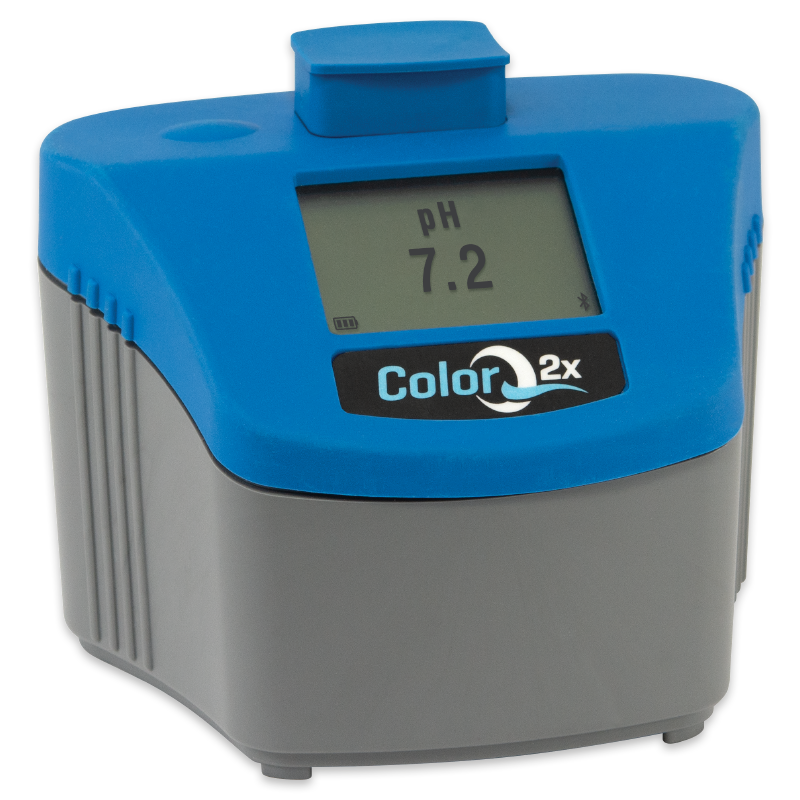
Water test results are obtained using test strips, kits or digital colorimeters. Test strips provide results on a few basic conditions, while digital colorimeters, often used by professionals, test the various factors on this chart with more precision.
Note: Test Factors in RED are nuisance items to be prevented.
| Test Factor | Ideal Target Range (ppm*) | Min/Max Range (ppm*) | Alert Range (ppm*) | Vital Purpose | Why Test? | What to do? |
|---|---|---|---|---|---|---|
| pH | 7.4–7.6 | 7.2–7.8 | <7.0 & >8.0 | PS/PP/CC | High/Low pH can damage pool surfaces and equipment, irritate swimmers, and lead to algae growth. More… | Use acids to lower pH and bases to raise pH levels More… |
| Free Chlorine | 2.0–4.0 | 1.0–6.0 | <1.0 & >10 | PS | Low Chlorine allows bacteria and algae to grow. High levels can irritate swimmers. More… | Raise chlorine levels… More… |
| Total Chlorine | 2.0–4.0 | 1.0–6.0 | <1.0 & >10 | PS | Total Chlorine consists of active and inactive compounds. More… | Should equal Free Chlorine. Shock if needed. More… |
| Combined Chlorine (Total – Free) | 0.0 | <0.4 | >0.3 | PS | Known as Chloramines… More… | Shock pool water… More… |
| Cyanuric Acid | 30–50 | 20–100 | >150 | PS/CC | Protects chlorine from UV rays. More… | Use to reach 30 ppm… More… |
| Alkalinity, Total | 80–150 | 60–180 | <60 & >180 | PP/CC | Low alkalinity causes rapid pH swings. More… | Use acids to lower, bicarbonate to raise. More… |
| Hardness, Calcium | 200–400 | 150–1,000 | <150 & >1,000 | PP | Low hardness in low-pH water leads to corrosion. More… | Raise hardness with Calcium Chloride. More… |
| Borate | 30–50 | 25–60 | <20 & >70 | PP/CC | A chemical stabilizer to control pH changes and resist algae. | Add per label to reach 30 ppm. |
| Copper | 0.0 | <0.3 | >0.2 | PP | Dissolved metal causing stains or discoloration. More… | Use a sequestering agent to bind copper. More… |
| Iron | 0.0 | <0.3 | >0.2 | PP | Dissolved metal causing brown/green water or staining. | Use a sequestering agent to bind iron. More… |
| Phosphate | 0.0 ppb | <100 ppb | >300 ppb | PP/CC | Food source for algae and can coat salt generator cells. | Use phosphate removers per directions. |
| Nitrate | 0.0 | <10 | >20 | CC | Feeds algae and consumes chlorine rapidly. | Replace water with nitrate-free water. |
| Bromine | 2.0–4.0 | 2.0–8.0 | >10 | PS | Used more often in spas; produces fewer odors than chlorine. | Added using feeders; remove feeder until level drops below 10 ppm. |
| Salt (Chlorine) | 2,500–3,500 | Device specific | <2,000 & >6,000 | PS | Salt generators create chlorine by electrolyzing sodium chloride. | Add salt as needed based on device instructions. |
| Biguanide | 40–50 | 30–60 | <20 & >70 | PS | A chlorine alternative used primarily in spas. | Add biguanide per product label; maintain at least 30 ppm. |
| Biguanide Shock | 100–200 | 100–300 | >300 | PS | A peroxide-based oxidizer used to remove contaminants. | Shock regularly to avoid buildup of biofilms. |
| Total Dissolved Solids (TDS) | 500–1,000 | 500–2,000 | >1,500 over start up value | PP | High TDS can increase corrosion and cause cloudy water. | Cannot be chemically removed; replace water to lower TDS. |
| Summary | — | — | — | — | — | — |
*All results as ppm unless noted
Pools can be evaluated weekly with test strips. But owners should routinely get a digital analysis of their pool water from a professional several times a month to avoid common issues that could lead to costly repairs.
The Role of Each Primary Test Factor
Sanitizers – Protect the Swimmer
A sanitizer must work quickly to keep pool water safe so bathers can avoid infections. The most common pool sanitizer is chlorine (in spas bromine is common). Sanitizers protect the bathers and prevent algae. They are also called oxidizers, meaning they destroy or “burn out” contaminants in the water. There are “alternative” sanitizers which use small amounts of chlorine to support their system and some sanitizers that use no chlorine at all. In most public pools, some chlorine is required for protection during large bather loads.
Chlorine
When chlorine is added to water, it forms an active sanitizer and an oxidizer called “Free Chlorine.” As it reacts with contaminants in the water, such as ammonia compounds from bathers’ perspiration and urine, it creates “Combined Chlorine.” This form of chlorine is a much slower sanitizer. Combined Chlorine often causes a pungent odor and eye irritation. To measure this, first test Free “Available” Chlorine (ready for instant sanitation) and next Total “Residual” Chlorine (includes both the available and inactive forms) then subtract the result.
When the Total Chlorine reading is significantly higher than the Free Chlorine reading, it is time to oxidize or destroy the combined chlorine. The simplest way is to increase the chlorine level in the pool to 10 ppm. This higher level of chlorine will oxidize or eliminate the combined chlorine and is called superchlorination or shock treating. Use the chlorine treatment table below to determine how much chlorine to add based on the volume of water in your pool or spa.
There are also non-chlorine shocks available, such as potassium monopersulfate and sodium dipersulfate. These can eliminate combined chlorine but do not Add chlorine to the pool. Non-chlorine shocks oxidize contaminants and do not remain on duty as sanitizers. Chlorine or bromine must be added afterward to maintain adequate sanitation.
Treatment: Raising Chlorine 1 ppm
U.S. Customary Units:
| 1,000 Gallons | 5,000 Gallons | 10,000 Gallons | 20,000 Gallons | 50,000 Gallons | |
|---|---|---|---|---|---|
| Sodhypo* | 1 oz | 7 oz | 13 oz | 1.5 pt | 2 qt |
| Lithium | 0.4 oz | 2 oz | 4 oz | 8 oz | 19 oz |
| Calhypo | 0.2 oz | 1 oz | 2 oz | 4 oz | 10 oz |
| Dichlor † | 0.2 oz | 1 oz | 2 oz | 5 oz | 12 oz |
| Dichlor ‡ | 0.2 oz | 1 oz | 2 oz | 4 oz | 11 oz |
| Trichlor | 0.1 oz | 1 oz | 1.5 oz | 3 oz | 7 oz |
Metric Units:
| 4000 Liters | 20000 Liters | 40000 Liters | 80000 Liters | 200000 Liters | |
|---|---|---|---|---|---|
| Sodhypo* | 35 grams | 165 grams | 335 grams | 665 grams | 1665 grams |
| Lithium | 10 grams | 55 grams | 115 grams | 230 grams | 570 grams |
| Calhypo | 5 grams | 30 grams | 60 grams | 125 grams | 310 grams |
| Dichlor † | 5 grams | 35 grams | 70 grams | 145 grams | 355 grams |
| Dichlor ‡ | 5 grams | 30 grams | 65 grams | 130 grams | 325 grams |
| Trichlor | 5 grams | 20 grams | 45 grams | 90 grams | 220 grams |
* This is a liquid and the calculation assumes: 1 liq. oz. = 1 dry oz., 16 oz. = 1 pint, 32 oz. = 1 quart, 128 oz. = 1 gallon
† dihydrate (56%)
‡ anhydrous (62%)
Protecting your Free Chlorine from the Sun
In an outdoor swimming pool, the use of a chlorine stabilizer (Cyanuric Acid) is often recommended to reduce the degradation of Free Chlorine by sunlight. Cyanuric acid acts like a shield for chlorine from ultraviolet light. It can be added by itself, usually at an initial dose of 30 ppm, or cyanuric acid is added as part of a chlorine compound. Two forms of chlorine that contain cyanuric acid are known as Sodium Dichloro-s-triazinetrione Dihydrate (Dichlor) and Trichloro-s-triazinetrione (Trichlor). When added to water, they form free chlorine and cyanuric acid. Trichlor has more cyanuric acid and chlorine, so it often costs more.
There are two common un-stabilized forms of chlorine. They are sodium hypochlorite (liquid bleach) and calcium hypochlorite (cal-hypo). These are normally used for indoor pools, for superchlorination treatments or when cyanuric acid levels are already too high.
Chlorine Treatment Compounds
| Trade Name (Proper Name) | % Available Chlorine | pH |
|---|---|---|
| Liquid Chlorine (Sodium Hypochlorite) | 12% | 13.0 |
| Cal Hypo (Calcium Hypochlorite) | 65% | 11.8 |
| Dichlor (Sodium Dichloro-s-triazinetrione Dihydrate) | 56% | 6.0 |
| Dichlor (Sodium Dichloro-s-triazinetrione Anhydrous) | 62% | 6.0 |
| Trichlor (Trichloro-s-triazinetrione) | 90% | 3.0 |
[Note: If pool water already has a high pH (>8.0) use of liquid bleach, at a pH of 13.0, is not recommended.]
Bromine
There are two types of bromine systems. One type is a solid tablet form that is added to a skimmer and feeds sanitizer into the passing water as it slowly dissolves. It contains both bromine and chlorine. The function of the chlorine is to make more bromine when none remains. The second type uses a bromide salt which requires the addition of a separate oxidizer such as chlorine, ozone, or non-chlorine shock.
When bromine is added to water, it forms free bromine. Like chlorine, free bromine can also combine with ammonia compounds, but the combined bromine reacts as quickly as free bromine. Thus, there is no need to distinguish between free and combined bromine. A bromine system should be shocked with 10 ppm of chlorine routinely. Spa owners may need to do this frequently. If using a Chlorine test to measure bromine, multiply the result by 2.25 to equal ppm Bromine.
Salt Chlorine
Chlorine can be produced poolside by applying a low voltage direct current to salt (sodium chloride) in a process called electrolysis. The salt is placed either directly in the pool or in a separate brine tank. Water flows past a “salt cell” with two flat plates to activate the salt into chlorine. There are minimum levels of salt required–usually 2,500-3,500 ppm. Follow the manufacturer’s range recommendation. Keep phosphates <100 ppb to protect the salt cell from damage.
Water Balance – Protecting the Pool or Spa
pH
pH is the measure of the acidity of the water. The pH scale extends from 0 to 14 with 7 being neutral. As the pH moves lower than 7.0, the water becomes more acidic and becomes corrosive. As pH moves up higher than 7.0, the water becomes more basic and leads to scale forming conditions. Water has the tendency to either corrode surfaces or leave crusty “scale” deposits. Unless it is properly “balanced” by keeping the pH, total alkalinity and hardness in their ideal ranges. Depending on where you live, the water can contain a variety of minerals. These minerals directly affect whether the water will corrode, scale or be in balance. In addition to pH, total alkalinity and calcium hardness, water temperature plays a small role in water balance and must be considered when determining ideal levels in pools or spas. In warmer water a substance called calcium carbonate tends to fall out of solution more rapidly, thus leaving behind scale deposits. For example, in 60°F (16°C) pool water, a good practice would be to keep the pH level closer to 7.6 if the alkalinity and hardness are in the ideal range. In 80°F (27°C) pool water, a pH of 7.3 would be best. A professional pool retailer can provide a “saturation index” calculation to target your ideal pH level.
Note: High pH levels (above 7.8), inhibit the ability of Free Chlorine to sanitize water efficiently and enable algae to grow. If your fill-water (well/city) has a high pH, the form of chlorine selected can help lower the pH. (For example: If your fill-water is a pH of 8.2, you may wish to use Trichlor since it has a pH of 3.0). For bather comfort, the ideal pH of pool or spa water is 7.2-7.8.
To lower pH add a pH decreaser (based on your pool volume and pH reading) to bring the pH down into the ideal range. To raise pH use a pH increaser like Soda Ash to raise the pH above 7.2. See Treatment Tables below.
Lowering pH with Muriatic Acid*: Target 7.4
U.S. Customary Units:
| 1,000 Gallons | 5,000 Gallons | 10,000 Gallons | 20,000 Gallons | 50,000 Gallons | ||||||
|---|---|---|---|---|---|---|---|---|---|---|
| pH | Pt | Oz | Pt | Oz | Pt | Oz | Pt | Oz | Pt | Oz |
| 7.6-7.8 | 0 | 1.3 | 0 | 6.4 | 0 | 12.8 | 1 | 9.6 | 4 | 0 |
| 7.8-8.0 | 0 | 1.9 | 0 | 9.6 | 1 | 3.2 | 2 | 6.4 | 6 | 0 |
| 8.0-8.4 | 0 | 2.6 | 0 | 12.8 | 1 | 9.6 | 3 | 3.2 | 8 | 0 |
| >8.4 | 0 | 3.2 | 1 | 0 | 2 | 0 | 4 | 0 | 10 | 0 |
Metric Units:
| 4000 Liters | 20000 Liters | 40000 Liters | 80000 Liters | 200000 Liters | ||||||
|---|---|---|---|---|---|---|---|---|---|---|
| pH | L | mL | L | mL | L | mL | L | mL | L | mL |
| 7.6-7.8 | 0 | 41 | 0 | 200 | 0 | 400 | 0 | 800 | 2 | 0 |
| 7.8-8.0 | 0 | 59 | 0 | 300 | 0 | 600 | 1 | 200 | 3 | 0 |
| 8.0-8.4 | 0 | 81 | 0 | 400 | 0 | 800 | 1 | 600 | 4 | 0 |
| >8.4 | 0 | 100 | 0 | 500 | 1 | 0 | 2 | 0 | 5 | 0 |
* Treatment recommendations are affected by total alkalinity. At low alkalinity levels less acid may be required and at higher alkalinity levels more acid may be required. Read safety precautions when using Muriatic Acid.
Lowering pH with Dry Acid* (Sodium Bisulfate): Target 7.4
U.S. Customary Units:
| 1,000 Gallons | 5,000 Gallons | 10,000 Gallons | 20,000 Gallons | 50,000 Gallons | ||||||
|---|---|---|---|---|---|---|---|---|---|---|
| pH | Lb | Oz | Lb | Oz | Lb | Oz | Lb | Oz | Lb | Oz |
| 7.6-7.8 | 0 | 1.6 | 0 | 8 | 0 | 16 | 1 | 12 | 5 | 0 |
| 7.8-8.0 | 0 | 2.4 | 0 | 12 | 1 | 4 | 3 | 8 | 8 | 0 |
| 8.0-8.4 | 0 | 3.2 | 0 | 16 | 1 | 12 | 4 | 4 | 10 | 0 |
| >8.4 | 0 | 4 | 1 | 4 | 3 | 0 | 5 | 0 | 13 | 0 |
Metric Units:
| 4000 Liters | 20000 Liters | 40000 Liters | 80000 Liters | 200000 Liters | ||||||
|---|---|---|---|---|---|---|---|---|---|---|
| pH | Kg | g | Kg | g | Kg | g | Kg | g | Kg | g |
| 7.6-7.8 | 0 | 48 | 0 | 240 | 0 | 480 | 0 | 840 | 2 | 400 |
| 7.8-8.0 | 0 | 72 | 0 | 360 | 0 | 600 | 1 | 980 | 3 | 840 |
| 8.0-8.4 | 0 | 96 | 0 | 480 | 0 | 840 | 2 | 40 | 4 | 800 |
| >8.4 | 0 | 120 | 0 | 600 | 1 | 440 | 2 | 400 | 6 | 240 |
* Treatment recommendations are affected by total alkalinity. At low alkalinity levels less acid may be required and at higher alkalinity levels more acid may be required.
Raising pH with Soda Ash*: Target 7.4
U.S. Customary Units:
| 1,000 Gallons | 5,000 Gallons | 10,000 Gallons | 20,000 Gallons | 50,000 Gallons | ||||||
|---|---|---|---|---|---|---|---|---|---|---|
| pH | Lb | Oz | Lb | Oz | Lb | Oz | Lb | Oz | Lb | Oz |
| 7.2-7.4 | 0 | 0.6 | 0 | 3.2 | 0 | 6.4 | 0 | 12.8 | 2 | 0 |
| 7.0-7.2 | 0 | 1 | 0 | 4.8 | 0 | 9.6 | 1 | 3.2 | 3 | 0 |
| 6.8-7.0 | 0 | 1.3 | 0 | 6.4 | 0 | 12.8 | 1 | 9.6 | 4 | 0 |
| <6.7 | 0 | 1.6 | 0 | 8 | 1 | 0 | 2 | 0 | 5 | 0 |
Metric Units:
| 4000 Liters | 20000 Liters | 40000 Liters | 80000 Liters | 200000 Liters | ||||||
|---|---|---|---|---|---|---|---|---|---|---|
| pH | Kg | g | Kg | g | Kg | g | Kg | g | Kg | g |
| 7.2-7.4 | 0 | 18 | 0 | 96 | 0 | 192 | 0 | 384 | 0 | 960 |
| 7.0-7.2 | 0 | 30 | 0 | 144 | 0 | 288 | 0 | 576 | 1 | 440 |
| 6.8-7.0 | 0 | 39 | 0 | 192 | 0 | 384 | 0 | 768 | 1 | 920 |
| <6.7 | 0 | 48 | 0 | 240 | 0 | 480 | 0 | 960 | 2 | 400 |
* Treatments in low alkalinity waters require less soda ash while treatments in high alkalinity waters may require more soda ash.
If pH Is Too LOW (Acidic)
- corrosion of pool equipment/staining
- swimmer eye irritation
- etching plaster pool surfaces
- chlorine dissipates rapidly
If pH Is Too HIGH (Basic)
- scale accumulates on pool equipment
- cloudy, turbid water
- sanitizing power of chlorine is weakened
- swimmer eye irritation
Understanding pH: LaMotte Pool School Video
Total Alkalinity
Total alkalinity refers to the buffering capacity of the water or how well the water can resist abrupt changes in pH. If the alkalinity is too low, the pH could potentially change daily. This is known as “pH bounce” and leaves the pool and spa water vulnerable to pH problems from chlorine treatments, environmental conditions and even from fresh make-up water. Low alkalinity water tends to also have a low pH making it corrosive, thus eroding pool surfaces and equipment.
When the alkalinity level is too high, the pH can run a bit high too. In that case, reduce the pH and alkalinity soon or the water may be cloudy and prone to scaling.
Note: When raising or lowering the alkalinity level, the pH of the water can also be affected, respectively. Check the pH level carefully within 24 hours after any significant alkalinity treatment.
Hardness, Total & Calcium
Total hardness refers to the level of dissolved calcium and magnesium in the water. The most common form of hardness in pools is Calcium Hardness. It can come from fill-water or forms of chlorine, such as calcium hypochlorite, or the intentional addition of calcium chloride. Owners of plaster pools must avoid low hardness levels, especially when opening a new pool, since water can dissolve plaster from the pool walls if hardness is too low (<200 ppm). In other types of pool surfaces it is vital to keep hardness levels within ideal ranges to prevent etching or dissolving hardware components, such as heaters and plumbing.
If the hardness level is too high, the water can become cloudy, then scale may begin to form on pool surfaces and equipment. Scale will appear as small white or tan deposits at the water level on walls, ladders, and numerous other places that the owner may not see. If left uncorrected, scale can clog pipes, filters, and damage heaters.
By keeping the hardness, alkalinity and pH factors within their ideal ranges, the water is balanced, and the pool will provide many years of trouble-free use.
If hardness is too high, the best option is to dilute it with fresh water that is low in hardness. If the hardness level is too low, add calcium chloride to the pool as recommended in the treatment tables (See below), but carefully read the precautions for use! Mixing calcium chloride and water in a bucket can generate a very warm solution (so never use a metal bucket).
Raising Hardness with Calcium Chloride
U.S. Customary Units:
| 1,000 Gallons | 5,000 Gallons | 10,000 Gallons | 20,000 Gallons | 50,000 Gallons | ||||||
|---|---|---|---|---|---|---|---|---|---|---|
| ppm | Lb | Oz | Lb | Oz | Lb | Oz | Lb | Oz | Lb | Oz |
| 10 | 0 | 2 | 0 | 10 | 1 | 4 | 2 | 7 | 6 | 2 |
| 20 | 0 | 4 | 1 | 4 | 2 | 7 | 4 | 15 | 12 | 4 |
| 30 | 0 | 6 | 1 | 13 | 3 | 11 | 7 | 6 | 18 | 7 |
| 40 | 0 | 8 | 2 | 7 | 4 | 15 | 9 | 13 | 24 | 9 |
| 50 | 0 | 10 | 3 | 1 | 6 | 2 | 12 | 4 | 30 | 11 |
| 60 | 0 | 12 | 3 | 11 | 7 | 6 | 14 | 12 | 36 | 13 |
| 70 | 0 | 14 | 4 | 5 | 8 | 10 | 17 | 3 | 42 | 16 |
| 80 | 1 | 0 | 4 | 15 | 9 | 13 | 19 | 10 | 49 | 2 |
| 90 | 1 | 2 | 5 | 8 | 11 | 1 | 22 | 2 | 55 | 4 |
| 100 | 1 | 4 | 6 | 2 | 12 | 4 | 24 | 9 | 61 | 6 |
Metric Units:
| 4000 Liters | 20000 Liters | 40000 Liters | 80000 Liters | 200000 Liters | ||||||
|---|---|---|---|---|---|---|---|---|---|---|
| ppm | Kg | g | Kg | g | Kg | g | Kg | g | Kg | g |
| 10 | 0 | 60 | 0 | 290 | 0 | 590 | 1 | 180 | 2 | 940 |
| 20 | 0 | 120 | 0 | 590 | 1 | 180 | 2 | 350 | 5 | 880 |
| 30 | 0 | 180 | 0 | 880 | 1 | 760 | 3 | 530 | 8 | 820 |
| 40 | 0 | 240 | 1 | 180 | 2 | 350 | 4 | 700 | 11 | 600 |
| 50 | 0 | 290 | 1 | 470 | 2 | 940 | 5 | 880 | 14 | 700 |
| 60 | 0 | 350 | 1 | 760 | 3 | 530 | 7 | 60 | 17 | 640 |
| 70 | 0 | 410 | 2 | 60 | 4 | 120 | 8 | 230 | 20 | 580 |
| 80 | 0 | 470 | 2 | 350 | 4 | 700 | 9 | 410 | 23 | 520 |
| 90 | 0 | 530 | 2 | 650 | 5 | 290 | 10 | 590 | 26 | 460 |
| 100 | 0 | 590 | 2 | 940 | 5 | 880 | 11 | 760 | 29 | 400 |
* A significant amount of heat can be generated when mixing calcium chloride in water. Follow manufacturer’s recommendations carefully.
Copper and Iron
Test for metals in pool water twice a month to avoid dis-colored water and stains on pool surfaces. Stains from dissolved metals can be very troublesome to remove and require acid treatments and brushing. Test for copper and iron before opening your pool with a large dose of chlorine; if metals are present the pool water can immediately colorize. Copper will tend to stain surfaces (including hair) blue-green, and the water can turn aquamarine after a high chlorine dose. Iron in water can leave stains of a brown or rusty color and can turn water green or brown following a strong chlorine dose. Note: Some sanitation systems use copper treatment compounds or ionization probes with zinc and silver to passively sanitize and inhibit algae growth. When those forms of copper are properly maintained or chelated, bound in a form unable to fall out and stain, copper can provide a useful service.
Manganese is more rare metal than copper or iron and leave behind blackish specks on the walls and components. metal sequestering agents to remove unwanted metals before problems start. Most pool stores have ways to test for metals but remember that the analysis may take several minutes.
Nitrate and Phosphate
Nitrate and phosphate are the building blocks to feed algae. If one is eliminated, the other cannot produce algae on its own. Maintaining proper levels of Free Chorine help reduce the chance of algae. Large amounts of nitrates can cause other problems, such as high chlorine demand. This can occur when pools have just been reopened since nitrates can enter the water from leaves or debris found in the pool. Other sources of nitrate intrusion come from well water supplies and localized use of garden or crop fertilizers.
Since nitrates can only be removed by draining the water, start by removing the other algae nutrient, phosphate. A variety of phosphate removal chemicals can eliminate phosphates and protect salt-chlorine generators. Phosphates can enter the water from municipal water supplies, where used for corrosion control, from fertilizers, and from some forms of metal sequestering agents (using phosphonates that breaks down into ortho-phosphate). By maintaining a constant level of 2.0 ppm or higher of Free Chlorine in the pool, algae should not be a problem. If algae develops promptly see a pool professional.
Biguanide & Biguanide Shock
Polyhexamethylene biguanide (PHMB) is a bactericide used as a non-chlorine water sanitizer. It uses quaternary ammonium compounds (QACs) and hydrogen peroxide, as an oxidizer, called Biguanide Shock. Chlorine, bromine, metals or monopersulfate should never be used with this system.
The recommended concentration of Biguanide is 30-50 ppm. Regular maintenance doses of the algicide and oxidizer are recommended. Check the manufacturer’s label for dosages.
Total Dissolved Solids (TDS)
A Total Dissolved Solids reading indicates the quantity of dissolved substances or minerals in the water. These come from the original fill-water and residuals from added treatment chemicals. As water evaporates, the dissolved solids remain in the water and over time continue to increase. A high dissolved solids level can lead to corrosion. If the water exceeds 2,000 ppm, find some way to replace a portion of the water supply. Most pool stores have a dissolved solids meter designed to measure TDS in seconds. In a Salt Pool measure your TDS after startup and then do not to let TDS exceed 1,500 ppm beyond your initial reading.